384
Florida surgeon ‘devastated’ over death of patient after removing liver instead of spleen
(www.theguardian.com)
Thomas Shaknovsky botched the surgery of William Bryan, 70, who died on the operating table
According to Shaknovksy’s deposition, after removing Bryan’s liver, the surgeon instructed a nurse to label the organ as a “spleen” – and he also identified it as a spleen in Bryan’s postoperative notes. Shaknovsky later said he had been “mentally compromised” at the time of Bryan’s death, explaining that he was “devastated, demoralized, crying over his passing, felt that I failed him”.
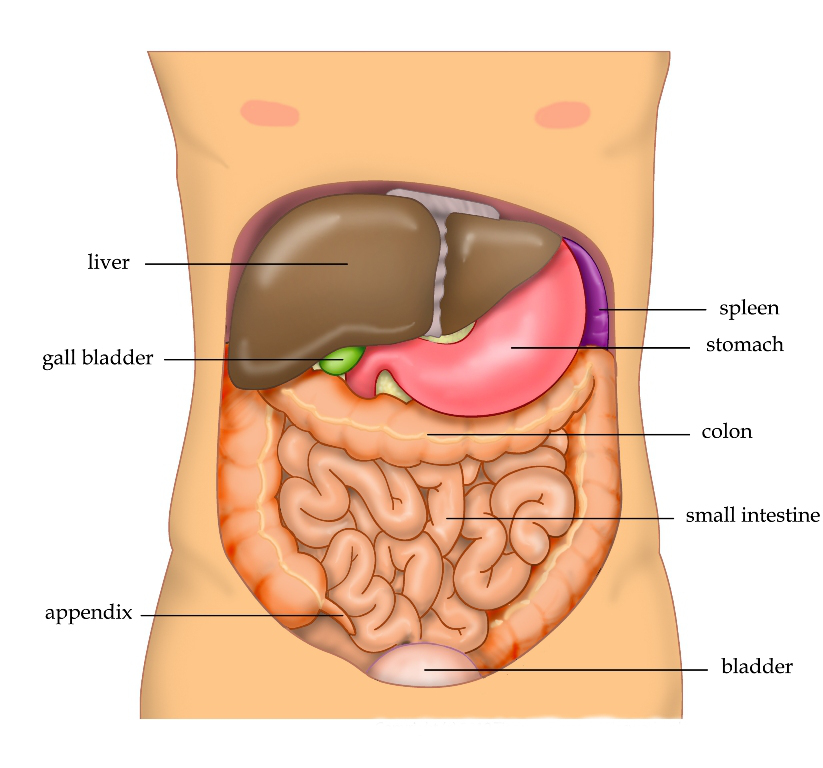
Though this was an idiocity, I think we need to be careful with just blaming the surgeon and that's it.
Errors like this usually happen because of a chain of various circumstances and other little mistakes, like with airplane crashes.
I think it would be much better that we treat these sort of incidents like airplane crashes. Investigate everything that went wrong, all causes, without focussing on guilt during the investigation. Guilt can be determined from the results of that, but primarily I want that we get data on how this happened in the first place, and what we can do to avoid this from happening again. This strategy was highly successful in aviation, I'd like to see that applied here too because too much shit still goes too much wrong in healthcare
Yep the main driver is that people didn't need to fly, it's an option, so they had incentives to make it look safe (just being safe is very hard but not enough).
While most surgeries are not really optional and the only incentives are profit by hospitals. What are you going to do, not have surgery?
Yeah there's a reason they have kinda long checklists when doing operations.
People have had the wrong leg cut off etc. Although that's perhaps a more understandably a bureaucratic mistake instead of a surgeon mistaking a liver for a spleen. But granted, I've never cut into the human body so even though they're pretty distinct in graphics, once covered in blood and whatnot they might not look so different. Idk. But I think he should have.
Totally agree and this has been discussed a lot. We learn about the Swiss cheese model https://en.wikipedia.org/wiki/Swiss_cheese_model, I've read The Checklist Manifesto, we talk a lot in med school about listening to nurses and scrub techs and pharmacists...it goes on.
I've sat in on a lot of morbidity and mortality rounds. If there's an adverse event it's reviewed, and yes it can be very embarrassing for the people involved. We had a breast cancer patient who needed more exploration involving the axillary lymph nodes and an artery got nicked and vascular had to be called, and the next day she was bleeding significantly and had to be brought back to the OR with me, as the med student, holding pressure on her armpit. She lived. A few days later both attending surgeons (breast and vascular) had to do the Morbidity and Mortality in front of the whole hospital, and it felt like a movie.
This should be investigated exactly how you said but there is no way that surgeon was sober. Unless the patient's anatomy was crazy weird, there's no way that was an honest mistake.
It's been a while since I've operated on anyone (consentually, at least). I know some doctors can be so arrogant that you don't ever want to second-guess them or correct them for fear of bring berated. Aren't there other people directly over the patient who might butt in and say "hey, are you sure that's the right part?"
The article is kinda shit and gives no information but usually there would be multiple eyes on the patient. You have at minimum the rotating nurse (not scrubbed in,) the scrub tech (sterile and knows every step of the operation,) the anesthesiologist or CRNA (wouldn't have a good view of the site), and a resident or PA assisting. There would have been eyes on the patient, which is what makes it so confusing. Maybe the surgeon was intimidating and nobody felt they could speak up against him?
https://www.namd.org/journal-of-medicine/3293-surgeon-removed-liver-instead-of-spleen-family-says.html This article is better than the one in the post but doesn't answer the big question, which is how many people had eyes on the patient?!?!? It's difficult for me to believe that a surgeon with experience could make this kind of mistake without inebriation being a factor. The article describes the organ removed as "grossly" obviously a liver, grossly in this case meaning you can see it with your eyes and don't need special tools. I can't imagine making this mistake and I'm not even a surgeon I just went to med school. Absolutely insane case and I wonder how many other people this doctor harmed.
I soooo wanna know about the implied non-consensual operations...
It’s the doctor from The Human Centipede.
Music video version https://www.youtube.com/watch?v=GFokXnCCMf8